

Japanese Conversation · Level 80
76 words
Search Japanese words as written, in romaji or by English meaning.
Dictionaries
Quick links
Browse
 MotiSpiOfficial conversation app

Japanese word
Romajiijiwaru
彼は意地悪です。kare wa i ji waru de su
He is mean.
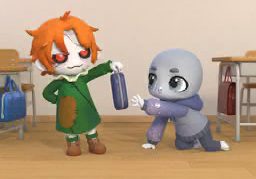
彼女は弟に意地悪な質問をして、困らせました。kano jo wa otōto ni i ji waru na shitsu mon o shi te koma ra se ma shi ta
She asked her little brother a mean question and made him uncomfortable.
Describes an unkind attitude or action that treats another person harshly or causes needless difficulty.
意地悪な人i ji waru na hito
mean person
意地悪な質問i ji waru na shitsu mon
mean question
意地悪な冗談i ji waru na jō dan
mean joke
不親切fushinsetsu: Describes a lack of kindness or helpfulness toward another person.
無神経mushinkei: Describes behavior that ignores other people's feelings or needs.
冷淡reitan: Describes an attitude that shows little warmth or concern for others.
陰険inken: Describes secretly harmful behavior that is difficult for others to detect.
相手にわざと不親切な態度をとったり、困らせたりする性質があるさま。ai te ni wa za to fu shin setsu na tai do o to tta ri koma ra se ta ri su ru sei shitsu ga a ru sa ma
意地 (iji, "disposition") combines with 悪い (warui, "bad") to form 意地悪 (ijiwaru), based on the idea of having a bad disposition.