

Japanese Conversation · Level 102
60 words
Search Japanese words as written, in romaji or by English meaning.
Dictionaries
Quick links
Browse
 MotiSpiOfficial conversation app

Japanese word
Romajisōtei
この計画は多くの人が来ることを想定しています。ko no kei kaku wa ō ku no hito ga ku ru ko to o sō tei shi te i ma su
This plan assumes that many people will come.
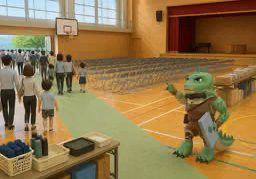
この訓練では、地震が起きることも想定して、避難経路を確認します。ko no kun ren de wa ji shin ga o ki ru ko to mo sō tei shi te hi nan kei ro o kaku nin shi ma su
We check the evacuation route while anticipating a possible earthquake.
The word establishes a possible situation as the starting point for deciding how to act.
想定外sō tei gai
unexpected
想定どおりsō tei dō ri
as expected
リスクを想定するri su ku o sō tei su ru
anticipate risks
仮定katei: A condition or situation is accepted as a basis for thinking or planning.
前提zentei: A condition is treated as a basis that must hold for a plan or argument.
起こりうる事柄や状況を前もって考え、判断や計画の基礎とすること。o ko ri u ru koto gara ya jō kyō o mae mo tte kanga e han dan ya kei kaku no ki so to su ru ko to
The Sino-Japanese compound 想定 (sōtei, "assumption") combines 想 (sō, "imagine") with 定 (tei, "fix"), naming an imagined condition fixed as a basis for judgment or planning.