

JLPT · Level 184
15 words
Search Japanese words as written, in romaji or by English meaning.
Dictionaries
Quick links
Browse
 MotiSpiOfficial conversation app

Japanese word
Romajihajirau
彼女は褒められると恥じらいます。kano jo wa ho me ra re ru to ha ji ra i ma su
She feels bashful when praised.
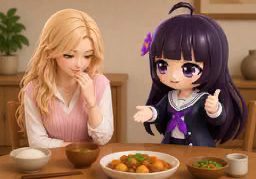
写真を撮られると、彼女は恥じらいます。sha shin o to ra re ru to kano jo wa ha ji ra i ma su
She feels bashful when her picture is taken.
Describes showing shy embarrassment, often through a blush or hesitant behavior when receiving attention or praise.
人前で恥じらうhito mae de ha ji ra u
be bashful in public
恥じらう仕草ha ji ra u shi gusa
bashful gesture
照れるtereru: To show embarrassment when receiving attention, praise, or affection.
恥ずかしがるhazukashigaru: To feel or show embarrassment about oneself, an action, or a situation.
はにかむhanikamu: To show shy embarrassment with a timid smile or hesitant behavior.
赤面するsekimensuru: To become red in the face because of embarrassment.
人前で褒められたり注目されたりして、照れくさそうな態度を示す。hito mae de ho me ra re ta ri chū moku sa re ta ri shi te te re ku sa sō na tai do o shime su
The native verb 恥じらう (hajirau) combines 恥じる (hajiru, "to feel shame") with the verb-forming element らう (rau).