

Japanese Conversation · Level 67
75 words
Search Japanese words as written, in romaji or by English meaning.
Dictionaries
Quick links
Browse
 MotiSpiOfficial conversation app

Japanese word
Romajiomowazu
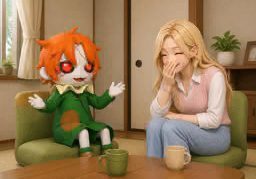
その話を聞いて、思わず笑いました。so no hanashi o ki i te omo wa zu wara i ma shi ta
I laughed without meaning to when I heard that story.
美しい景色を見て、思わず立ち止まりました。utsuku shi i keshiki o mi te omo wa zu ta chi do ma ri ma shi ta
I stopped without meaning to when I saw the beautiful scenery.
Describes a spontaneous action that escapes deliberate control when a feeling or impulse arises.
思わず笑うomo wa zu wara u
laugh without meaning to
思わず声を上げるomo wa zu koe o a ge ru
let out a cry involuntarily
ついtsui: It describes doing or saying something unintentionally because of a passing impulse or habit.
ふとfuto: It describes an action or thought that arises suddenly without deliberate planning.
反射的にhanshatekini: It describes an action produced automatically in response to a stimulus or feeling.
そうしようと考えていなかったのに、自然にある行動が起こるさま。sō shi yō to kanga e te i na ka tta no ni shi zen ni a ru kō dō ga o ko ru sa ma
思わず (omowazu) is formed from 思う (omou, "to think or intend") and ず (zu, "not"), an old negative auxiliary, so its form expresses not intending an action.