

Japanese Conversation · Level 123
60 words
Search Japanese words as written, in romaji or by English meaning.
Dictionaries
Quick links
Browse
 MotiSpiOfficial conversation app

Japanese word
Romajiomoikomu
私は彼が来ると思い込みました。watashi wa kare ga ku ru to omo i ko mi ma shi ta
I assumed that he was coming.
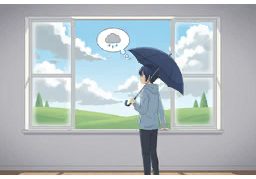
彼は地図を見ずに、道を知っていると思い込んでいました。kare wa chi zu o mi zu ni michi o shi tte i ru to omo i ko n de i ma shi ta
He assumed he knew the way without looking at a map.
Holds a belief so firmly that it is treated as certain, even when the evidence is incomplete.
勝手に思い込むkat te ni omo i ko mu
assume without checking
決めつけるkimetsukeru: To decide that something is true without checking the available evidence.
信じ込むshinjikomu: To hold a belief so firmly that it is treated as a fact.
仮定するkateisuru: To treat something as true for the purpose of examining a situation.
根拠を十分に確かめず、そうだと固く信じること。kon kyo o jū bun ni tashi ka me zu sō da to kata ku shin ji ru ko to
思い込む (omoikomu) is formed from 思う (omou, "think") and 込む (komu, "go into"), showing a thought settling deeply in the mind.