

Japanese Conversation · Level 77
76 words
Search Japanese words as written, in romaji or by English meaning.
Dictionaries
Quick links
Browse
 MotiSpiOfficial conversation app

Japanese word
Romajiomoiataru
彼の顔を見て、以前会ったことに思い当たりました。kare no kao o mi te i zen a tta ko to ni omo i a ta ri ma shi ta
Seeing his face, I recalled having met him before.
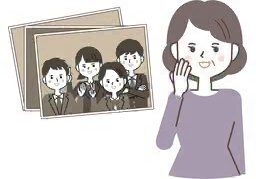
その説明を聞いて、問題の原因に思い当たりました。so no setsu mei o ki i te mon dai no gen in ni omo i a ta ri ma shi ta
After hearing the explanation, I realized the cause of the problem.
Describes a thought suddenly reaching a memory, cause, or answer that had been out of mind.
思い当たる節omo i a ta ru fushi
a likely explanation
思い当たる原因omo i a ta ru gen in
a likely cause
思い当たるところomo i a ta ru to ko ro
something that comes to mind
思い出すomoidasu: To bring a person, fact, or past event back to mind.
思い浮かぶomoiukabu: To come to mind as a memory, idea, or image.
気づくkizuku: To become aware of a fact, problem, or meaning.
何かをきっかけに、忘れていた事実や理由などに気づく。nan ka o ki kka ke ni wasu re te i ta ji jitsu ya ri yū na do ni ki zu ku
思い当たる (omoiataru) is a native Japanese compound of 思い (omoi, "thought") and 当たる (ataru, "hit or reach"), expressing a thought reaching the relevant memory or reason.