

Japanese Conversation · Level 61
75 words
Search Japanese words as written, in romaji or by English meaning.
Dictionaries
Quick links
Browse
 MotiSpiOfficial conversation app

Japanese word
Romajiikari
彼の怒りはすぐに収まりました。kare no ika ri wa su gu ni osa ma ri ma shi ta
His anger soon subsided.
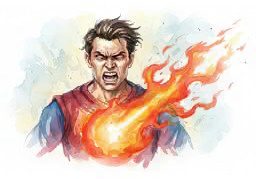
母は子どものいたずらに怒りを見せませんでした。haha wa ko do mo no i ta zu ra ni ika ri o mi se ma se n de shi ta
My mother did not show anger at her child's prank.
Describes the strong feeling that arises when someone sees a serious wrong or obstacle and reacts with hostility.
怒りがこみ上げるika ri ga ko mi a ge ru
anger wells up
怒りを抑えるika ri o osa e ru
hold back anger
怒りを感じるika ri o kan ji ru
feel anger
憤りikidōri: A strong feeling of anger caused by an unfair or wrong act.
立腹rippuku: The state of becoming angry about something.
腹立ちharadachi: A feeling of irritation or anger caused by something unpleasant.
不快なことや不当なことに対して生じる、強い不満や敵意の感情。fu kai na ko to ya fu tō na ko to ni tai shi te shō ji ru tsuyo i fu man ya teki i no kan jō
The noun 怒り (ikari, "anger") is formed from 怒る (ikaru, "to be angry") by using its verb stem 怒り as a noun.