

Japanese Conversation · Level 79
76 words
Search Japanese words as written, in romaji or by English meaning.
Dictionaries
Quick links
Browse
 MotiSpiOfficial conversation app

Japanese word
Romajitōjisha
その問題の当事者は私です。so no mon dai no tō ji sha wa watashi de su
I am the person involved in that issue.
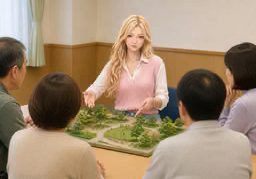
問題を解決するには、まず当事者同士で話し合うことが大切です。mon dai o kai ketsu su ru ni wa ma zu tō ji sha dō shi de hana shi a u ko to ga tai setsu de su
To solve the problem, it is important for the parties involved to talk it over with each other.
Marks a person whose direct connection to an event or issue gives them a stake in it.
当事者意識を持つtō ji sha i shiki o mo tsu
have a sense of involvement
当事者間の合意tō ji sha kan no gō i
agreement between the parties involved
当事者に確認を取るtō ji sha ni kaku nin o to ru
confirm with the person involved
関係者kankeisha: A person connected to an event, organization, or issue, whether directly or indirectly.
当該者tōgaisha: The person specifically identified as concerned in a formal matter.
ある事柄に直接関わっている人。a ru koto gara ni choku setsu kaka wa tte i ru hito
当事者 (tōjisha) combines 当 (tō, "concern"), 事 (ji, "matter"), and 者 (sha, "person") to mean a person concerned with a matter.