

Japanese Conversation · Level 45
90 words
Search Japanese words as written, in romaji or by English meaning.
Dictionaries
Quick links
Browse
 MotiSpiOfficial conversation app

Japanese word
Romajiyowaki
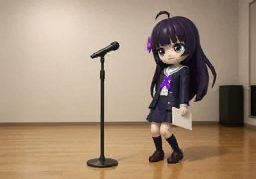
人前で話すと弱気になります。hito mae de hana su to yowa ki ni na ri ma su
I get weak-kneed when I speak in front of people.
交渉の場では、弱気な態度を見せないでください。kō shō no ba de wa yowa ki na tai do o mi se na i de ku da sa i
Please do not show a timid attitude during negotiations.
Describes a loss of confidence that makes someone hesitate to act or speak boldly.
弱気になるyowa ki ni na ru
become weak-kneed
弱気な態度yowa ki na tai do
a timid attitude
弱気な発言yowa ki na hatsu gen
a timid remark
弱腰yowagoshi: Taking a soft and unassertive stance under pressure or during negotiations.
消極的shōkyokuteki: Showing little willingness to take action or express an opinion.
内気uchiki: Having difficulty expressing oneself openly because of shyness.
物事に立ち向かう自信を失い、ためらうさま。mono goto ni ta chi mu ka u ji shin o ushina i ta me ra u sa ma
弱気 (yowaki) combines 弱 (yowa, "weak") and 気 (ki, "spirit or state of mind"), giving the sense of a weak or discouraged state of mind.