

Japanese Conversation · Level 100
60 words
Search Japanese words as written, in romaji or by English meaning.
Dictionaries
Quick links
Browse
 MotiSpiOfficial conversation app

Japanese word
Romajihikitomeru
話を終えたくなくて、友達を引き止めました。hanashi o o e ta ku na ku te tomo dachi o hi ki to me ma shi ta
I did not want to end our conversation, so I kept my friend from leaving.
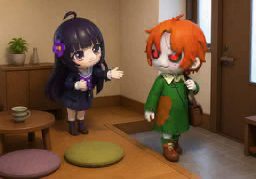
先生は質問のある学生を廊下で引き止めました。sen sei wa shitsu mon no a ru gaku sei o rō ka de hi ki to me ma shi ta
In the hallway, the teacher kept a student who had a question from leaving.
Describes keeping a person from leaving by making an appeal, starting a conversation, or otherwise holding their attention.
客を引き止めるkyaku o hi ki to me ru
keep a customer from leaving
帰りかけた人を引き止めるkae ri ka ke ta hito o hi ki to me ru
stop someone who is about to leave
呼び止めるyobitomeru: To stop someone who is about to leave by speaking to them.
留めるtodomeru: To make a person remain in a place or situation.
帰ろうとする人などに働きかけて、去らないようにする。kae rō to su ru hito na do ni hatara ki ka ke te sa ra na i yō ni su ru
引き止める (hikitomeru) is formed from 引く (hiku, "pull") and 止める (tomeru, "stop"), with a figurative sense of making someone stay.