

Japanese Conversation · Level 82
60 words
Search Japanese words as written, in romaji or by English meaning.
Dictionaries
Quick links
Browse
 MotiSpiOfficial conversation app

Japanese word
Romajiyōchū
葉の上に幼虫がいます。ha no ue ni yō chū ga i ma su
There is a larva on the leaf.
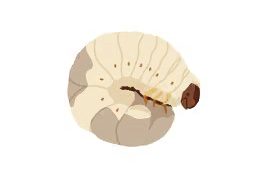
この昆虫は幼虫の間、植物の葉を食べます。ko no kon chū wa yō chū no aida shoku butsu no ha o ta be ma su
This insect eats plant leaves while it is a larva.
Refers to the early form of an insect that feeds and develops before becoming an adult, sometimes through a pupal stage.
幼虫の段階yō chū no dan kai
larval stage
幼虫を観察するyō chū o kan satsu su ru
observe a larva
蛆uji: The soft, legless larva of a fly, often found in decaying material.
芋虫imomushi: A soft, usually smooth caterpillar that feeds on plants before becoming an adult insect.
毛虫kemushi: A caterpillar with a covering of hairs or bristles.
卵からかえった昆虫が、成虫とは異なる形で成長する段階の姿。tamago ka ra ka e tta kon chū ga sei chū to wa koto na ru katachi de sei chō su ru dan kai no sugata
The word 幼虫 (yōchū) combines 幼 (yō, "young") with 虫 (chū, "insect") to describe a young, developing insect.