

Japanese Conversation · Level 25
90 words
Search Japanese words as written, in romaji or by English meaning.
Dictionaries
Quick links
Browse
 MotiSpiOfficial conversation app

Japanese word
Romajiosanai
その子はまだ幼いです。so no ko wa ma da osana i de su
That child is still young.
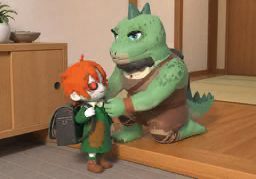
妹はまだ幼いので、一人で留守番できません。imōto wa ma da osana i no de hito ri de ru su ban de ki ma se n
My little sister is still young, so she cannot stay home alone.
Describes someone or something at an early stage of growth, with limited experience or maturity.
幼い頃osana i koro
early childhood
幼い子どもosana i ko do mo
young child
幼い声osana i koe
childish voice
幼い心osana i kokoro
childlike mind
若いwakai: Describes a person or thing that has existed or developed for only a short time.
あどけないadokenai: Describes a person or manner that has a gentle, innocent quality associated with childhood.
若々しいwakawakashii: Describes qualities that suggest the energy or appearance of youth.
年齢が低い、または成長や経験が足りず未熟なさま。nen rei ga hiku i ma ta wa sei chō ya kei ken ga ta ri zu mi juku na sa ma
幼い (osanai) is a native Japanese adjective inherited from the classical form 幼し (osanashi), which meant young or immature.