

JLPT · Level 68
45 words
Search Japanese words as written, in romaji or by English meaning.
Dictionaries
Quick links
Browse
 MotiSpiOfficial conversation app

Japanese word
Romajisashihiki
税金の差し引きは会社がします。zei kin no sa shi hi ki wa gai sha ga shi ma su
The company handles the tax deduction.
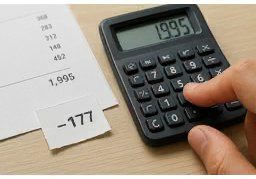
給与明細には、保険料の差し引きも記載されています。kyū yo mei sai ni wa ho ken ryō no sa shi hi ki mo ki sai sa re te i ma su
The deduction for insurance premiums is also listed on the pay stub.
Describes taking a specified amount away from a total to show the deduction or the amount left after it.
給与からの差し引きkyū yo ka ra no sa shi hi ki
deduction from salary
税金の差し引きzei kin no sa shi hi ki
tax deduction
控除kōjo: A sum subtracted from income, a tax base, or another amount under a rule or system.
天引きtenbiki: The removal of money from wages or another payment before the recipient receives it.
手取りtedori: Money that remains and is received after taxes and other deductions have been taken out.
ある金額から税金や費用などを引き、残りの金額を求めること。a ru kin gaku ka ra zei kin ya hi yō na do o hi ki noko ri no kin gaku o moto me ru ko to
As a native Japanese compound, 差し引き (sashihiki) is the noun form of 差し引く (sashihiku), from 差す (sasu, "to add") and 引く (hiku, "to subtract"), expressing a net calculation.