

Japanese Conversation · Level 124
60 words
Search Japanese words as written, in romaji or by English meaning.
Dictionaries
Quick links
Browse
 MotiSpiOfficial conversation app

Japanese word
Romajikozō
あの小僧は生意気です。a no ko zō wa nama i ki de su
That brat is cheeky.
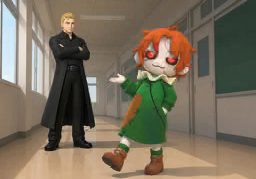
その小僧は、店員にまで文句を言いました。so no ko zō wa ten in ni ma de mon ku o i i ma shi ta
That brat even complained to the store clerk.
Presents a boy as young, inexperienced, and cheeky, with the speaker placing him below an older or more senior person.
生意気な小僧nama i ki na ko zō
cheeky brat
ガキgaki: A child or young person referred to in a rough and insulting way.
少年shōnen: A male child or teenager described in a neutral, factual way.
若造wakazō: A young man regarded as inexperienced and of little importance by an older speaker.
坊主bōzu: A young boy or male junior addressed in a familiar, sometimes rough way.
年少の男の子を、経験が浅く生意気な者として呼ぶ語。nen shō no otoko no ko o kei ken ga asa ku nama i ki na mono to shi te yo bu go
小僧 (kozō) originally meant a young Buddhist novice, from 小 (shō, "small") and 僧 (sō, "Buddhist monk"); its meaning later broadened to a young boy with a belittling tone.