

Japanese Conversation · Level 73
75 words
Search Japanese words as written, in romaji or by English meaning.
Dictionaries
Quick links
Browse
 MotiSpiOfficial conversation app

Japanese word
Romajikisei
この虫は他の生物に寄生します。ko no mushi wa ta no sei butsu ni ki sei shi ma su
This insect lives as a parasite on other organisms.
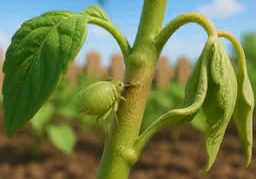
この植物は寄生によって栄養を補います。ko no shoku butsu wa ki sei ni yo tte ei yō o ogina i ma su
This plant obtains nutrients through parasitism.
Describes a way of living in which one organism gains resources from another while the host is harmed.
宿主への寄生shuku shu e no ki sei
parasitism on a host
寄生による被害ki sei ni yo ru hi gai
damage caused by parasitism
寄生の仕組みki sei no shi ku mi
mechanism of parasitism
寄食kishoku: A way of living by receiving food or support from another person or organism.
他の生物に取り付き、その生物から養分などを得て生活すること。hoka no sei butsu ni to ri tsu ki so no sei butsu ka ra yō bun na do o e te sei katsu su ru ko to
The Sino-Japanese compound 寄生 (kisei, "parasitism") combines 寄 (ki, "to draw near or depend on") and 生 (sei, "to live"), expressing life sustained through another organism.