

JLPT · Level 54
45 words
Search Japanese words as written, in romaji or by English meaning.
Dictionaries
Quick links
Browse
 MotiSpiOfficial conversation app

Japanese word
Romajiyorikakaru
壁に寄りかかります。kabe ni yo ri ka ka ri ma su
I lean against the wall.
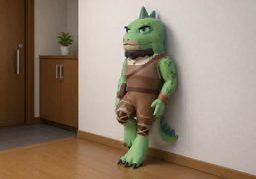
疲れた人がベンチの背もたれに寄りかかって休んでいます。tsuka re ta hito ga be n chi no se mo ta re ni yo ri ka ka tte yasu n de i ma su
A tired person is resting while leaning against the back of a bench.
Describes resting one's body against a surface or object and letting it support one's weight.
壁に寄りかかるkabe ni yo ri ka ka ru
lean against a wall
手すりに寄りかかるte su ri ni yo ri ka ka ru
lean against a handrail
もたれるmotareru: To let the body rest against a wall, seat, or another supporting surface.
もたれかかるmotarekakaru: To rest much of the body's weight on a person or object by leaning against it.
頼るtayoru: To seek and use the help or support of someone or something.
体の重みを物にかけて、支えにする。karada no omo mi o mono ni ka ke te sasa e ni su ru
寄りかかる (yorikakaru) is a native compound of the verb 寄る (yoru, "draw near") and かかる (kakaru, "rest on"), forming the sense of leaning against something.