

Japanese Conversation · Level 96
60 words
Search Japanese words as written, in romaji or by English meaning.
Dictionaries
Quick links
Browse
 MotiSpiOfficial conversation app

Japanese word
Romajimuko
私の婿は医者です。watashi no muko wa i sha de su
My son-in-law is a doctor.
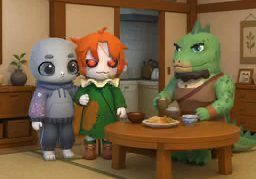
彼は結婚後、妻の家に婿として入りました。kare wa kek kon go tsuma no ie ni muko to shi te hai ri ma shi ta
After getting married, he joined his wife's family as a son-in-law.
Centers on a man in relation to his bride or wife's family, covering both his role as a groom and his place as a son-in-law.
婿を取るmuko o to ru
take a son-in-law
婿を迎えるmuko o muka e ru
welcome a son-in-law
婿に入るmuko ni hai ru
marry into the wife's family
花婿hanamuko: A man who takes the groom's role in a wedding.
娘婿musumemuko: A daughter's husband in relation to her parents.
新郎shinrō: A man who is getting married or has recently married.
娘と結婚した男性。また、結婚式で花嫁の相手となる男性。musume to kek kon shi ta dan sei ma ta kek kon shiki de hana yome no ai te to na ru dan sei
The noun 婿 (muko) belongs to native Japanese vocabulary rather than being a modern loanword, but its older word formation remains uncertain; 婿 is its established kanji spelling.