

Japanese Conversation · Level 67
75 words
Search Japanese words as written, in romaji or by English meaning.
Dictionaries
Quick links
Browse
 MotiSpiOfficial conversation app

Japanese word
Romajihazure
その答えは外れです。so no kota e wa hazu re de su
That answer is wrong.
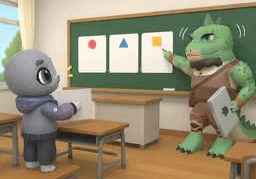
クイズで外れを選ぶと、次の問題に進めません。ku i zu de hazu re o era bu to tsugi no mon dai ni susu me ma se n
If you choose the wrong answer in the quiz, you cannot move on to the next question.
Expresses a failure to match the expected point, answer, or location, giving the related senses of a wrong answer, a miss, and an outlying area.
外れと判定するhazu re to han tei su ru
determine that it is the wrong answer
不正解fuseikai: A response that does not meet the standard for a correct answer.
誤答gotō: A mistaken response to a question or problem.
間違いmachigai: An error in an answer, judgment, or choice.
正しい答えや狙った結果から外れていること、また、町や地域の中心から離れた場所。tada shi i kota e ya nera tta kek ka ka ra hazu re te i ru ko to ma ta machi ya chi iki no chū shin ka ra hana re ta ba sho
外れ (hazure) is the noun form of 外れる (hazureru, "to come off or be outside"), so it refers to something that has ended up outside the intended result or range.