

JLPT · Level 26
75 words
Search Japanese words as written, in romaji or by English meaning.
Dictionaries
Quick links
Browse
 MotiSpiOfficial conversation app

Japanese word
Romajiusotsuki
彼は嘘つきです。kare wa uso tsu ki de su
He is a liar.
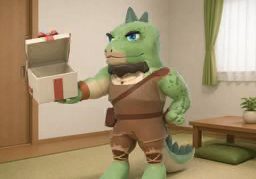
子どもに嘘つきと思われたくありません。ko do mo ni uso tsu ki to omo wa re ta ku a ri ma se n
I do not want children to think I am a liar.
Describes a person who presents false statements as if they were true.
嘘つき呼ばわりuso tsu ki yo ba wa ri
calling someone a liar
嘘つき扱いuso tsu ki atsuka i
treating someone as a liar
大嘘つきō uso tsu ki
a big liar
欺瞞者gimansha: A person who deliberately deceives others by hiding or distorting the truth.
ほら吹きhorafuki: A person who makes exaggerated or untrue claims to impress or entertain others.
本当ではないことを言う人。hon tō de wa na i ko to o i u hito
嘘つき (usotsuki) combines 嘘 (uso, "lie") with つき (tsuki), the noun-forming form of つく (tsuku, "to tell"), as in 嘘をつく (uso o tsuku, "to tell a lie").