

Japanese Conversation · Level 65
75 words
Search Japanese words as written, in romaji or by English meaning.
Dictionaries
Quick links
Browse
 MotiSpiOfficial conversation app

Japanese word
Romajimikata
彼はいつも私の味方です。kare wa i tsu mo watashi no mi kata de su
He is always on my side.
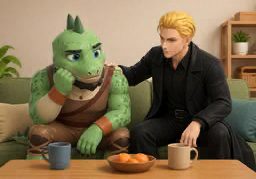
先生を味方にして、問題を解決しました。sen sei o mi kata ni shi te mon dai o kai ketsu shi ma shi ta
We solved the problem by making the teacher our ally.
It centers on standing on someone's side and giving support rather than remaining neutral.
味方にするmi kata ni su ru
make an ally
味方になるmi kata ni na ru
become an ally
強い味方tsuyo i mi kata
strong ally
仲間nakama: A person who belongs to the same group and shares activities or goals.
支持者shijisha: A person who supports a person, group, or cause, often by agreeing with it or backing it.
協力者kyōryokusha: A person who works with someone to achieve a shared goal.
争いや対立などで、自分と同じ側に立ち、支援してくれる人や団体。araso i ya tai ritsu na do de ji bun to ona ji gawa ni ta chi shi en shi te ku re ru hito ya dan tai
The older form 身方 (mikata) combines 身 (mi, "oneself") with 方 (kata, "side"), and 味方 (mikata) became the usual modern spelling.