

Japanese Conversation · Level 111
60 words
Search Japanese words as written, in romaji or by English meaning.
Dictionaries
Quick links
Browse
 MotiSpiOfficial conversation app

Japanese word
Romajikokuhatsu
彼女の告発で会社は調査を始めました。kano jo no koku hatsu de gai sha wa chō sa o haji me ma shi ta
Her accusation led the company to start an investigation.
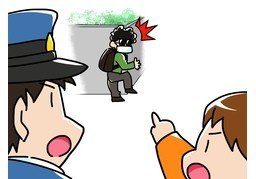
突然の告発に、彼は驚きを隠せませんでした。totsu zen no koku hatsu ni kare wa odoro ki o kaku se ma se n de shi ta
He could not hide his surprise at the sudden accusation.
Conveys exposing suspected wrongdoing to an authority or the public and demanding responsibility for it.
告発を受けるkoku hatsu o u ke ru
face an accusation
告発を撤回するkoku hatsu o tek kai su ru
withdraw an accusation
匿名の告発toku mei no koku hatsu
anonymous accusation
告訴kokuso: A formal complaint that a crime has been committed, usually filed by the victim with the authorities.
糾弾kyūdan: A public condemnation that demands accountability for alleged wrongdoing.
非難hinan: A strong expression of disapproval directed at a person's actions or conduct.
人の不正や犯罪などを取り上げ、関係機関に知らせて責任を追及すること。hito no fu sei ya han zai na do o to ri a ge kan kei ki kan ni shi ra se te seki nin o tsui kyū su ru ko to
告 (koku, "tell or announce") contributes the act of reporting, while 発 (hatsu, "send out") adds the sense of putting it forth; together they form a Sino-Japanese compound for a public charge.