

Japanese Conversation · Level 88
60 words
Search Japanese words as written, in romaji or by English meaning.
Dictionaries
Quick links
Browse
 MotiSpiOfficial conversation app

Japanese word
Romajigōkei
合計は五百円です。gō kei wa go hyaku en de su
The total is 500 yen.
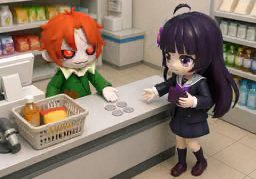
私は買い物の合計をレジで確認します。watashi wa ka i mono no gō kei o re ji de kaku nin shi ma su
I check the total for my purchases at the register.
Refers to the whole amount reached when several separate amounts or numbers are added together.
合計金額gō kei kin gaku
total amount
合計人数gō kei nin zū
total number of people
合計点gō kei ten
total score
総額sōgaku: The complete amount of money involved in a payment or transaction.
計kei: The result obtained by adding several amounts or numbers together.
総計sōkei: The final sum of several amounts, often used in formal calculations or reports.
いくつかの数や金額を合わせて得られる全体の数量。i ku tsu ka no kazu ya kin gaku o a wa se te e ra re ru zen tai no sū ryō
合計 (gōkei, "total") is a Sino-Japanese compound of 合 (gō, "combine") and 計 (kei, "count"), linking combination with counting.