

Japanese Conversation · Level 99
60 words
Search Japanese words as written, in romaji or by English meaning.
Dictionaries
Quick links
Browse
 MotiSpiOfficial conversation app

Japanese word
Romajikanau
その夢が叶います。so no yume ga kana i ma su
That dream will come true.
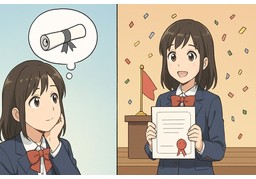
努力が実を結び、長年の夢が叶いました。do ryoku ga jitsu o musu bi naga nen no yume ga kana i ma shi ta
Our efforts paid off, and our long-held dream came true.
Expresses a hope or request reaching reality through its fulfillment or acceptance.
夢が叶うyume ga kana u
a dream comes true
願いが叶いますnega i ga kana i ma su
A wish comes true
実現するjitsugensuru: A plan, idea, or hoped-for outcome becomes real in practice.
成就するjōjusuru: A wish, ambition, or aim reaches fulfillment, often in formal language.
通るtōru: A request, proposal, or claim is accepted by the relevant person or group.
願いや希望が実現して、望んだ状態になること。nega i ya ki bō ga jitsu gen shi te nozo n da jō tai ni na ru ko to
叶う (kanau) is a native Japanese verb, not a Sino-Japanese compound, and its exact word formation is uncertain; the kanji 叶 (kyō, "to accord") is the established written form for this meaning.