

JLPT · Level 63
45 words
Search Japanese words as written, in romaji or by English meaning.
Dictionaries
Quick links
Browse
 MotiSpiOfficial conversation app

Japanese word
Romajiharappa
子どもたちは原っぱで遊びます。ko do mo ta chi wa hara ppa de aso bi ma su
The children play in the open field.
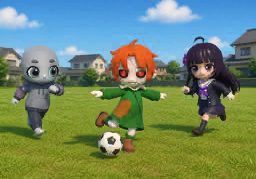
夕方になると、子どもたちは原っぱを走り回ります。yū gata ni na ru to ko do mo ta chi wa hara ppa o hashi ri mawa ri ma su
In the evening, the children run around the open field.
Refers to a broad, usually grassy area left open for people, animals, or play rather than built up.
原っぱで遊ぶhara ppa de aso bu
play in an open field
野原nohara: A grassy area in the countryside or near a settlement that has not been built on.
草原sōgen: An extensive natural area dominated by grass rather than trees or buildings.
空き地akichi: A vacant plot in a developed area that has not been built on or put to use.
建物などがなく、草などの生えた広い土地。tate mono na do ga na ku kusa na do no ha e ta hiro i to chi
原っぱ (harappa) is a native Japanese formation combining 原 (hara, "open land") with the colloquial suffix っぱ (ppa), which gives the noun a familiar tone.