

Japanese Conversation · Level 112
60 words
Search Japanese words as written, in romaji or by English meaning.
Dictionaries
Quick links
Browse
 MotiSpiOfficial conversation app

Japanese word
Romajihikyō
彼は卑怯な手を使いました。kare wa hi kyō na te o tsuka i ma shi ta
He used an underhanded trick.
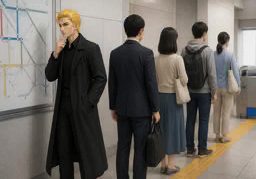
彼は責任を部下に押しつける卑怯なまねをしました。kare wa seki nin o bu ka ni o shi tsu ke ru hi kyō na ma ne o shi ma shi ta
He used an underhanded tactic to shift the blame onto his subordinates.
It refers to avoiding an honest confrontation and gaining an advantage through conduct that is both unfair and lacking in courage.
卑怯な手hi kyō na te
an underhanded trick
卑怯なまねhi kyō na ma ne
an underhanded act
卑怯なやり方hi kyō na ya ri kata
an underhanded method
卑劣hiretsu: Having a deeply dishonorable or despicable quality.
姑息kosoku: Using an evasive method to gain a short-term advantage instead of facing a problem directly.
陰険inken: Using concealed and malicious methods to harm or deceive others.
勇気や正々堂々とした態度に欠け、相手の弱みにつけ込むようなさま。yū ki ya sei sei dō dō to shi ta tai do ni ka ke ai te no yowa mi ni tsu ke ko mu yō na sa ma
卑怯 (hikyō) is a Sino-Japanese compound of 卑 (hi, "mean" or "lowly") and 怯 (kyō, "fearful"), expressing contempt for cowardly conduct.