

Japanese Conversation · Level 31
90 words
Search Japanese words as written, in romaji or by English meaning.
Dictionaries
Quick links
Browse
 MotiSpiOfficial conversation app

Japanese word
Romajikugiri
仕事に区切りがついたら、休みます。shi goto ni ku gi ri ga tsu i ta ra yasu mi ma su
I take a break when I reach a stopping point in my work.
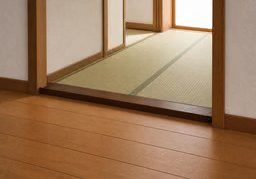
この作業は、ここを区切りにして休みます。ko no sa gyō wa ko ko o ku gi ri ni shi te yasu mi ma su
I will take a break here and use this as a stopping point.
Describes 区切り (kugiri) as a point or boundary that separates one part of something from the next, including a pause in an activity.
区切りがつくku gi ri ga tsu ku
reach a conclusion
ひと区切りつくhi to ku gi ri tsu ku
reach a stopping point
区切りをつけるku gi ri o tsu ke ru
bring to a close
境目sakaime: A boundary where one area, period, or thing ends and another begins.
切れ目kireme: A point where a continuous process ends or is interrupted.
一段落ichidanraku: A point at which a task reaches a temporary stopping point.
物事のまとまりを分ける境目や、作業などをいったん中断する時点。mono goto no ma to ma ri o wa ke ru sakai me ya sa gyō na do o i tta n chū dan su ru ji ten
The noun 区切り (kugiri) is formed from the verb 区切る (kugiru), combining 区 (ku, "section") with native 切る (kiru, "cut").