

JLPT · Level 157
15 words
Search Japanese words as written, in romaji or by English meaning.
Dictionaries
Quick links
Browse
 MotiSpiOfficial conversation app

Japanese word
Romajikagō
物質が化合すると、新しい物質ができます。bus shitsu ga ka gō su ru to atara shi i bus shitsu ga de ki ma su
When substances combine chemically, a new substance is formed.
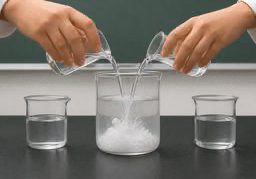
化合の前後で、物質の性質を比較します。ka gō no zen go de bus shitsu no sei shitsu o hi kaku shi ma su
We compare the properties of substances before and after chemical combination.
Refers to the process in which separate substances unite chemically and become a substance with new properties.
化合による変化ka gō ni yo ru hen ka
change caused by chemical combination
化合の条件ka gō no jō ken
conditions for chemical combination
合成gōsei: The process of producing a new substance from simpler substances, often through a chemical reaction.
混合kongō: The process of combining substances without changing them into a new substance.
結合ketsugō: The joining of substances or parts to form a connected unit, with or without a chemical change.
複数の物質が化学反応によって結合し、性質の異なる新たな物質を生じること。fuku sū no bus shitsu ga ka gaku han nō ni yo tte ketsu gō shi sei shitsu no koto na ru ara ta na bus shitsu o shō ji ru ko to
The Sino-Japanese word 化合 (kagō) consists of 化 (ka, "change") and 合 (gō, "join"), linking chemical change with union.