

Japanese Conversation · Level 124
60 words
Search Japanese words as written, in romaji or by English meaning.
Dictionaries
Quick links
Browse
 MotiSpiOfficial conversation app

Japanese word
Romajidōyō
彼女は人前で動揺を見せませんでした。kano jo wa hito mae de dō yō o mi se ma se n de shi ta
She did not show her distress in public.
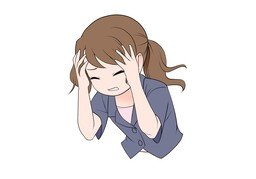
予想外の知らせを聞いても、彼女は動揺を抑えました。yo sō gai no shi ra se o ki i te mo kano jo wa dō yō o osa e ma shi ta
Even after hearing the unexpected news, she kept her distress under control.
Describes a person, object, or situation losing its steady state through inner unrest or physical movement.
動揺を隠せないdō yō o kaku se na i
be unable to hide one's distress
動揺が収まるdō yō ga osa ma ru
distress subsides
動揺を抑えるdō yō o osa e ru
control distress
動揺を見せるdō yō o mi se ru
show distress
動揺が広がるdō yō ga hiro ga ru
distress spreads
狼狽rōbai: A loss of composure caused by a sudden or troubling event.
焦りaseri: A hurried state caused by pressure or a need to act quickly.
困惑konwaku: A state of being unable to decide or understand what to do.
不安fuan: A worried state caused by uncertainty or the expectation of trouble.
心や物が揺れ動き、安定や落ち着きを失うこと。kokoro ya mono ga yu re ugo ki an tei ya o chi tsu ki o ushina u ko to
動揺 (dōyō) is a Sino-Japanese compound of 動 (dō, "move") and 揺 (yō, "sway"), giving the sense of movement that disrupts stability.