

Japanese Conversation · Level 22
90 words
Search Japanese words as written, in romaji or by English meaning.
Dictionaries
Quick links
Browse
 MotiSpiOfficial conversation app

Japanese word
Romajiugoku
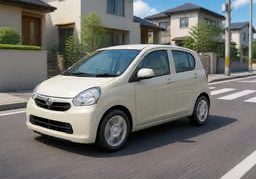
車が動きます。kuruma ga ugo ki ma su
The car moves.
犬が動きます。inu ga ugo ki ma su
The dog moves.
この時計は電池を替えると、また動きます。ko no tokei wa den chi o ka e ru to ma ta ugo ki ma su
This clock works again when I replace the battery.
Expresses motion or a change from a fixed condition, including the shift from being still to being in operation.
正常に動くsei jō ni ugo ku
work properly
自由に動くji yū ni ugo ku
move freely
電池で動くden chi de ugo ku
run on batteries
移るutsuru: To shift from one place, position, or condition to another.
働くhataraku: To function or perform its intended action.
進むsusumu: To move forward toward a place or goal.
人や物が止まった状態から位置や状態を変える。また、機械などが作動する。hito ya mono ga to ma tta jō tai ka ra i chi ya jō tai o ka e ru ma ta ki kai na do ga sa dō su ru
The native Japanese verb 動く (ugoku) uses 動 (dō, "move") as a meaning-based kanji, and its reading ugoku comes from Japanese rather than Chinese.