

Japanese Conversation · Level 99
60 words
Search Japanese words as written, in romaji or by English meaning.
Dictionaries
Quick links
Browse
 MotiSpiOfficial conversation app

Japanese word
Romajirettōkan
彼は自分の英語に劣等感を持っています。kare wa ji bun no ei go ni ret tō kan o mo tte i ma su
He has an inferiority complex about his English.
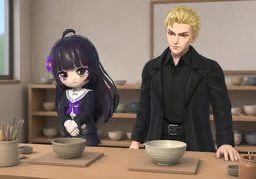
失敗すると、彼は人前で話すことに劣等感を覚えます。ship pai su ru to kare wa hito mae de hana su ko to ni ret tō kan o obo e ma su
When he fails, he feels inferior about speaking in public.
Describes a sense that one is not as capable or worthy as the people one compares oneself with.
劣等感を持つret tō kan o mo tsu
have an inferiority complex
劣等感に苦しむret tō kan ni kuru shi mu
suffer from an inferiority complex
劣等感を抱くret tō kan o ida ku
harbor an inferiority complex
劣等意識rettōishiki: An awareness of being lower in ability, status, or worth than others.
コンプレックスkonpurekkusu: A persistent belief that a personal weakness makes one less capable or worthy.
引け目hikeme: A feeling of inferiority or hesitation caused by a perceived disadvantage.
気後れkiokure: A feeling that makes a person hesitate because others seem more capable or important.
自分を他人よりも能力や価値の面で劣っていると感じる心。ji bun o ta nin yo ri mo nō ryoku ya ka chi no men de oto tte i ru to kan ji ru kokoro
劣 (retsu, "inferior") + 等 (tō, "rank") form 劣等 (rettō, "inferiority"), and 感 (kan, "feeling") adds the sense of an inward feeling.