

Japanese Conversation · Level 61
75 words
Search Japanese words as written, in romaji or by English meaning.
Dictionaries
Quick links
Browse
 MotiSpiOfficial conversation app

Japanese word
Romajigekiteki
その映画の結末は劇的です。so no ei ga no ketsu matsu wa geki teki de su
The ending of that movie is dramatic.
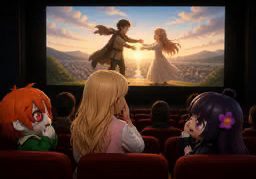
災害後の町の変化は劇的です。sai gai go no machi no hen ka wa geki teki de su
The town's change after the disaster is dramatic.
Presents an event or change as unusually powerful and emotionally striking, often because its result arrives with tension or surprise.
劇的な効果geki teki na kō ka
dramatic effect
劇的な成長geki teki na sei chō
dramatic growth
劇的な結末geki teki na ketsu matsu
dramatic ending
ドラマチックdoramachikku: Describes an event or change that feels vivid and exciting through tension or surprise.
印象的inshōteki: Describes something that leaves a strong and lasting impression.
衝撃的shōgekiteki: Describes something unexpected that causes a strong emotional reaction.
出来事などの規模や変化が大きく、強い感動や驚きを引き起こすさま。de ki goto na do no ki bo ya hen ka ga ō ki ku tsuyo i kan dō ya odoro ki o hi ki o ko su sa ma
劇的 (gekiteki) is formed from 劇 (geki, "drama") and 的 (teki, "like"), describing something with the force or quality of drama.