

Japanese Conversation · Level 49
90 words
Search Japanese words as written, in romaji or by English meaning.
Dictionaries
Quick links
Browse
 MotiSpiOfficial conversation app

Japanese word
Romajimaemuki
彼はいつも前向きです。kare wa i tsu mo mae mu ki de su
He is always positive.
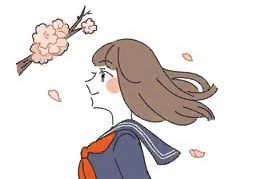
失敗しても、前向きな気持ちを保ちます。ship pai shi te mo mae mu ki na ki mo chi o tamo chi ma su
Even when I fail, I maintain a positive attitude.
Expresses a hopeful way of facing the future that supports both optimism and a willingness to act.
前向きな姿勢mae mu ki na shi sei
a positive attitude
前向きに考えるmae mu ki ni kanga e ru
think positively
前向きに取り組むmae mu ki ni to ri ku mu
work proactively
積極的sekkyokuteki: Shows a strong willingness to act, participate, or take the lead.
楽観的rakkanteki: Expects favorable results and focuses on the hopeful side of a situation.
建設的kensetsuteki: Helps develop a useful solution or improve a situation.
意欲的iyokuteki: Shows strong interest and energy in doing or achieving something.
将来や物事を明るくとらえ、積極的に行動しようとするさま。shō rai ya mono goto o aka ru ku to ra e sek kyoku teki ni kō dō shi yō to su ru sa ma
前 (mae, "front" or "ahead") and 向き (muki, "facing" or "direction") form a compound meaning "facing forward," which extends to a positive and proactive attitude.