

Japanese Conversation · Level 14
90 words
Search Japanese words as written, in romaji or by English meaning.
Dictionaries
Quick links
Browse
 MotiSpiOfficial conversation app

Japanese word
Romajidekakeru
今日は友達と出かけます。kyō wa tomo dachi to de ka ke ma su
I am going out with my friends today.
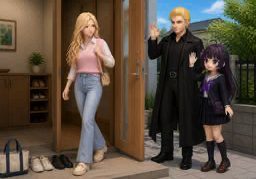
日曜日に家族と公園へ出かけます。nichi yō hi ni ka zoku to kō en e de ka ke ma su
I go to the park with my family on Sundays.
用事が終わったら、すぐに出かけましょう。yō ji ga o wa tta ra su gu ni de ka ke ma shō
When our errands are finished, let's go out right away.
Expresses moving away from where one is and going somewhere for a purpose such as meeting people or doing an activity.
家族と出かけるka zoku to de ka ke ru
go out with family
買い物に出かけるka i mono ni de ka ke ru
go shopping
出かける準備de ka ke ru jun bi
preparations for going out
出るderu: To leave a place or come out of it, with no specific purpose required.
外出するgaishutsusuru: To leave home or another usual place to spend time elsewhere.
用事や遊びなどのために、いる場所から外へ行く。yō ji ya aso bi na do no ta me ni i ru ba sho ka ra soto e i ku
出かける (dekakeru) is formed from 出 (de, "go out") and 掛ける (kakeru, "start to do"), so its form conveys beginning to go out.