

Japanese Conversation · Level 81
60 words
Search Japanese words as written, in romaji or by English meaning.
Dictionaries
Quick links
Browse
 MotiSpiOfficial conversation app

Japanese word
Romajianiki
うちの兄貴はいつも助けてくれます。u chi no ani ki wa i tsu mo tasu ke te ku re ma su
My big brother always helps me.
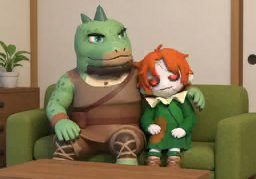
近所の若者たちは、彼を兄貴と呼んでいます。kin jo no waka mono ta chi wa kare o ani ki to yo n de i ma su
The young people in the neighborhood call him big brother.
It marks an older male as someone close to the speaker who also has greater age, status, or experience.
兄貴と呼ぶani ki to yo bu
call someone big brother
兄貴に相談するani ki ni sō dan su ru
consult one's big brother
お兄さんoniisan: A neutral or respectful term for an older male sibling or a familiar older man.
兄さんanisan: A casual term for an older male sibling or a familiar older man.
兄ちゃんanichan: A very casual term for an older male sibling or a familiar older man.
年上の男性を、身近さや敬意を込めて呼ぶくだけた表現。toshi ue no dan sei o mi jika sa ya kei i o ko me te yo bu ku da ke ta hyō gen
兄貴 (aniki) is written with 兄 (ani, "older brother") and 貴 (ki, "noble or precious"), though the historical reason for this spelling is not certain.