

Japanese Conversation · Level 131
60 words
Search Japanese words as written, in romaji or by English meaning.
Dictionaries
Quick links
Browse
 MotiSpiOfficial conversation app

Japanese word
Romajishinobu
子どもの頃を偲びます。ko do mo no koro o shino bi ma su
I am nostalgic for my childhood.
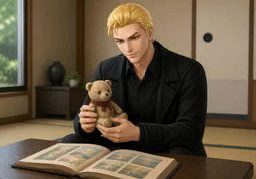
遠く離れて暮らすと、故郷の祭りを偲びます。tō ku hana re te ku ra su to ko kyō no matsu ri o shino bi ma su
While living far from my hometown, I feel nostalgic for its festivals.
Centers on bringing a valued person, place, or time back to mind with warm attachment.
昔を偲ぶmukashi o shino bu
be nostalgic for the past
故郷を偲ぶko kyō o shino bu
be nostalgic for one's hometown
故人を偲ぶko jin o shino bu
remember the deceased
懐かしむnatsukashimu: To feel warm affection when remembering a person, place, or time from the past.
思い出すomoidasu: To bring a person, place, event, or fact back to mind without requiring strong emotion.
恋しがるkoishigaru: To long for a distant person or place because of deep affection.
過去の人や出来事などを、懐かしさや愛着を込めて思い出す。ka ko no hito ya de ki goto na do o natsu ka shi sa ya ai chaku o ko me te omo i da su
偲ぶ (shinobu) is a native Japanese verb inherited from the classical form しのぶ (shinobu), with 偲ぶ used as a semantic kanji spelling for fond remembrance.