

Japanese Conversation · Level 132
60 words
Search Japanese words as written, in romaji or by English meaning.
Dictionaries
Quick links
Browse
 MotiSpiOfficial conversation app

Japanese word
Romajikenage
その子は健気な子です。so no ko wa kenage na ko de su
That child is admirable.
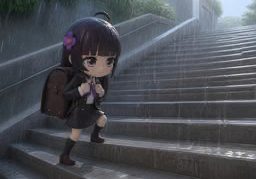
子どもは、重い荷物を健気に運びました。ko do mo wa omo i ni motsu o kenage ni hako bi ma shi ta
The child bravely carried the heavy bag.
Describes someone who keeps making a sincere effort through hardship, making that effort seem both brave and worthy of admiration.
健気な姿kenage na sugata
an admirable sight
健気な努力kenage na do ryoku
an admirable effort
健気に頑張るkenage ni gan ba ru
keep trying bravely
殊勝shushō: Describes a person or conduct that is humble, dutiful, and worthy of praise.
ひたむきhitamuki: Describes a person who pursues an aim with sincere and single-minded effort.
気丈kijō: Describes someone who stays mentally strong and composed during hardship.
困難な状況でもくじけず、ひたむきに努力するさま。kon nan na jō kyō de mo ku ji ke zu hi ta mu ki ni do ryoku su ru sa ma
The modern spelling 健気 (kenage) represents the native word けなげ (kenage), whose older form けなりげ (kenarige) is recorded, though its origin is uncertain.