

Japanese Conversation · Level 87
60 words
Search Japanese words as written, in romaji or by English meaning.
Dictionaries
Quick links
Browse
 MotiSpiOfficial conversation app

Japanese word
Romajidentōteki
この地方では、伝統的な祝い方が受け継がれています。ko no chi hō de wa den tō teki na iwa i kata ga u ke tsu ga re te i ma su
Traditional ways of celebrating are passed down in this region.
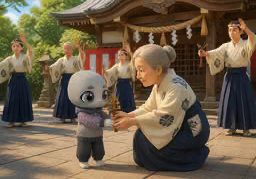
この店では伝統的な製法で作った家具を販売しています。ko no mise de wa den tō teki na sei hō de tsuku tta ka gu o han bai shi te i ma su
This shop sells furniture made using traditional methods.
Describes a practice or form that follows a pattern preserved from the past within a community or culture.
伝統的な料理den tō teki na ryō ri
traditional cuisine
伝統的な衣装den tō teki na i shō
traditional clothing
伝統的な音楽den tō teki na on gaku
traditional music
慣習的kanshūteki: Based on a custom that a group regularly follows.
因習的inshūteki: Following an old custom that remains firmly established despite being no longer suitable.
古風kofū: Having a style, manner, or form associated with an earlier period.
過去からの習慣や考え方を重んじ、それを受け継いでいるさま。ka ko ka ra no shū kan ya kanga e kata o omo n ji so re o u ke tsu i de i ru sa ma
The Sino-Japanese word 伝統 (dentō, "tradition") joins 伝 (den, "transmit") and 統 (tō, "continuity"), and 的 (teki, "-related") turns it into an adjective.