

JLPT · Level 52
45 words
Search Japanese words as written, in romaji or by English meaning.
Dictionaries
Quick links
Browse
 MotiSpiOfficial conversation app

Japanese word
Romajinakanaori
兄と仲直りできて、うれしいです。ani to naka nao ri de ki te u re shi i de su
I am happy that I made up with my older brother.
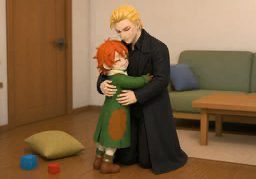
友だちと仲直りしました。tomo da chi to naka nao ri shi ma shi ta
I made up with my friend.
けんかのあと、友達に仲直りを申し出ます。ke n ka no a to tomo dachi ni naka nao ri o mō shi de ma su
After a quarrel, I offer to make up with my friend.
It refers to making peace by repairing a strained relationship between people.
仲直りするnaka nao ri su ru
make up
仲直りのきっかけnaka nao ri no ki kka ke
a chance to make up
仲直りを申し出るnaka nao ri o mō shi de ru
offer to make up
和解wakai: The act of ending a dispute by reaching an agreement.
雪解けyukidoke: A gradual easing of tension that improves relations between people or groups.
もめ事のために離れていた人同士がわだかまりをなくして関係を修復すること。mo me goto no ta me ni hana re te i ta hito dō shi ga wa da ka ma ri o na ku shi te kan kei o shū fuku su ru ko to
仲直り (nakanaori) is formed from 仲 (naka, "relationship") and the noun 直り (naori, "becoming right again"), describing a relationship made right again.