

Japanese Conversation · Level 114
60 words
Search Japanese words as written, in romaji or by English meaning.
Dictionaries
Quick links
Browse
 MotiSpiOfficial conversation app

Japanese word
Romajifujiyū
この町は車がないと不自由です。ko no machi wa kuruma ga na i to fu ji yū de su
This town is inconvenient without a car.
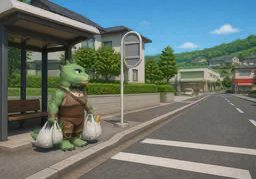
停電すると、家の中での生活が不自由です。tei den su ru to ie no naka de no sei katsu ga fu ji yū de su
When the power goes out, life at home becomes inconvenient.
Centers on having one's choices or ordinary activities limited because necessary conditions or resources are lacking.
不自由な生活fu ji yū na sei katsu
a restricted lifestyle
不自由を感じるfu ji yū o kan ji ru
feel inconvenienced
不便fuben: Describes a lack of convenience that makes ordinary activities harder to carry out.
不都合futsugō: Describes conditions that are unsuitable or disadvantageous for carrying out a purpose.
必要なものが足りないなどのため、行動や暮らしが思うようにならないさま。hitsu yō na mo no ga ta ri na i na do no ta me kō dō ya ku ra shi ga omo u yō ni na ra na i sa ma
The Sino-Japanese compound 不自由 (fujiyū) consists of 不 (fu, "not") and 自由 (jiyū, "freedom"); 自由 combines 自 (ji, "self") with 由 (yū, "reason or basis").