

Japanese Conversation · Level 70
75 words
Search Japanese words as written, in romaji or by English meaning.
Dictionaries
Quick links
Browse
 MotiSpiOfficial conversation app

Japanese word
Romajifutō
その扱いは不当です。so no atsuka i wa fu tō de su
That treatment is improper.
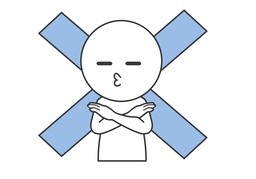
会社はその要求を不当だと判断しました。kai sha wa so no yō kyū o fu tō da to han dan shi ma shi ta
The company judged the demand improper.
Describes something that fails to fit accepted standards, facts, or fairness rather than merely being disliked.
不当な扱いfu tō na atsuka i
improper treatment
不当な要求fu tō na yō kyū
unwarranted demand
不適切futekisetsu: Does not suit the situation or meet the standards required for appropriate conduct.
不公平fukōhei: Treats people or groups without equal consideration or a fair distribution of rights or benefits.
不正fusei: Involves dishonest conduct or a breach of rules or accepted standards.
道理や実情に合わず、適切でないさま。dō ri ya jitsu jō ni a wa zu teki setsu de na i sa ma
不当 (futō) is a Sino-Japanese compound of 不 (fu, "not") and 当 (tō, "right" or "fitting"), so it describes something that is not right or justified.