

Japanese Conversation · Level 107
60 words
Search Japanese words as written, in romaji or by English meaning.
Dictionaries
Quick links
Browse
 MotiSpiOfficial conversation app

Japanese word
Romajifukitsu
その知らせは不吉です。so no shi ra se wa fu kitsu de su
That news is ominous.
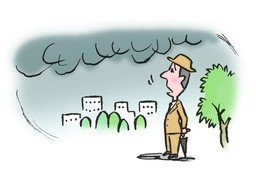
彼はその数字を不吉なものだと考えています。kare wa so no sū ji o fu kitsu na mo no da to kanga e te i ma su
He considers that number ominous.
Describes a warning sign or situation that feels connected to future misfortune.
不吉な予感fu kitsu na yo kan
ominous feeling
不祥fushō: Describes something regarded as a warning of bad luck or misfortune.
不穏fuon: Describes an uneasy condition or atmosphere that hints at trouble ahead.
不気味fukimi: Describes something that feels eerie because it is strange or unsettling.
悪いことの前触れのようで、縁起が悪いさま。waru i ko to no mae bu re no yō de en gi ga waru i sa ma
不吉 (fukitsu) is a Sino-Japanese compound of 不 (fu, "not") and 吉 (kitsu, "good fortune"), literally marking something as lacking good fortune.