

Japanese Conversation · Level 60
75 words
Search Japanese words as written, in romaji or by English meaning.
Dictionaries
Quick links
Browse
 MotiSpiOfficial conversation app

Japanese word
Romajifuri
この試合では私たちが不利です。ko no shi ai de wa watashi ta chi ga fu ri de su
We are at a disadvantage in this game.
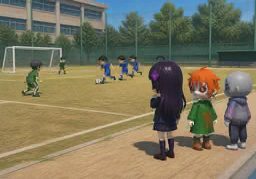
情報が少ない側は、話し合いで不利になりやすいです。jō hō ga suku na i gawa wa hana shi a i de fu ri ni na ri ya su i de su
The side with less information is likely to be at a disadvantage in a discussion.
Shows that circumstances do not support a person or side and make a favorable result less likely.
不利になるfu ri ni na ru
be at a disadvantage
不利な立場fu ri na tachi ba
an unfavorable position
不利な条件fu ri na jō ken
unfavorable conditions
不利に働くfu ri ni hatara ku
work against
不利益furieki: A condition that causes loss or harm to a person or side.
不都合futsugō: A condition that causes difficulty or inconvenience in a situation.
物事を行う際の条件や立場が相手より悪く、利益を得にくい状態。mono goto o okona u sai no jō ken ya tachi ba ga ai te yo ri waru ku ri eki o e ni ku i jō tai
The Sino-Japanese word 不利 (furi) combines 不 (fu, "not") with 利 (ri, "advantage"), giving the sense of lacking an advantage.