

Japanese Conversation · Level 14
90 words
Search Japanese words as written, in romaji or by English meaning.
Dictionaries
Quick links
Browse
 MotiSpiOfficial conversation app

Japanese word
Romajijōku
そのジョークで皆が笑いました。so no jō ku de mina ga wara i ma shi ta
Everyone laughed at that joke.
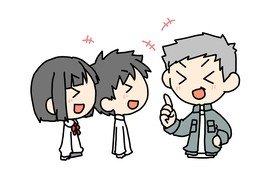
彼は会議の緊張を和らげるため、ジョークを一つ言いました。kare wa kai gi no kin chō o yawa ra ge ru ta me jō ku o hito tsu i i ma shi ta
He told a joke to ease the tension at the meeting.
A joke uses words or situations to create amusement, often through an unexpected connection or twist.
ジョークを言うjō ku o yū
tell a joke
ジョークを飛ばすjō ku o to ba su
crack a joke
冗談jōdan: A playful remark or story that is not meant to be taken as a serious statement.
しゃれshare: A humorous expression formed through clever wording, often with a second meaning.
駄洒落dajare: A wordplay joke that uses similar sounds or more than one meaning.
ギャグgyagu: A short piece of comic speech or action that produces amusement.
人を楽しませたり笑わせたりするために述べる、面白みのある話や言葉。hito o tano shi ma se ta ri wara wa se ta ri su ru ta me ni no be ru omo shiro mi no a ru hanashi ya koto ba
The noun ジョーク (jōku, "joke") is borrowed from English joke, which traces back to Latin jocus, meaning "play or jest".