

Japanese Conversation · Level 9
90 words
Search Japanese words as written, in romaji or by English meaning.
Dictionaries
Quick links
Browse
 MotiSpiOfficial conversation app

Japanese word
Romajiendingu
この物語のエンディングは予想外です。ko no monogatari no e n di n gu wa yo sō gai de su
The ending of this story is unexpected.
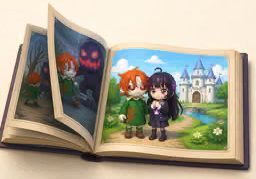
視聴者の反応でエンディングが変わる作品もあります。shi chō sha no han nō de e n di n gu ga ka wa ru saku hin mo a ri ma su
Some works have endings that change based on viewer reactions.
Focuses on the point at which a narrative reaches its final events and outcome.
物語のエンディングmonogatari no e n di n gu
the ending of a story
意外なエンディングi gai na e n di n gu
unexpected ending
エンディングロールe n di n gu rō ru
ending credits
結末ketsumatsu: The final events of a narrative and the outcome they produce.
終幕shūmaku: The final scene or part that brings a narrative to a close.
幕切れmakugire: The way an event, story, or performance comes to an end.
物語や作品などの最後に位置する部分。monogatari ya saku hin na do no sai go ni i chi su ru bu bun
The Japanese エンディング (endingu, "ending") comes from English ending, derived from end plus -ing.