

Japanese Conversation · Level 33
90 words
Search Japanese words as written, in romaji or by English meaning.
Dictionaries
Quick links
Browse
 MotiSpiOfficial conversation app

Japanese word
Romajiwagamama
妹はわがままな子です。imōto wa wa ga ma ma na ko de su
My little sister is selfish.
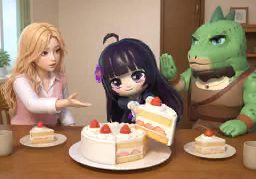
自分の希望ばかり通そうとするのは、わがままです。ji bun no ki bō ba ka ri tō sō to su ru no wa wa ga ma ma de su
Trying to get only what you want is selfish.
Describes putting one's own wishes and convenience first without considering other people's feelings or circumstances.
わがままを言うwa ga ma ma o i u
make selfish demands
わがままに振る舞うwa ga ma ma ni fu ru ma u
act selfishly
わがままな態度wa ga ma ma na tai do
a selfish attitude
わがままを通すwa ga ma ma o tō su
get one's way
自分勝手jibunkatte: Following personal wishes without giving enough thought to other people's needs or feelings.
身勝手migatte: Putting personal convenience above the needs and feelings of other people.
利己的rikoteki: Focusing on personal gain instead of giving equal weight to the interests of others.
自分の望みや都合を優先し、他人の気持ちや事情を考えないさま。ji bun no nozo mi ya tsu gō o yū sen shi ta nin no ki mo chi ya ji jō o kanga e na i sa ma
The Japanese word わがまま (wagamama) comes from 我が (waga, "one's own") and 儘 (mama, "as it is"), expressing behavior guided only by one's own wishes.