

Japanese Conversation · Level 64
75 words
Search Japanese words as written, in romaji or by English meaning.
Dictionaries
Quick links
Browse
 MotiSpiOfficial conversation app

Japanese word
Romajimogaku
魚が網の中でもがきます。sakana ga ami no naka de mo ga ki ma su
The fish wriggles in the net.
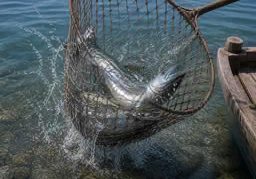
逃げようとして、彼は水の中でもがきました。ni ge yō to shi te kare wa mizu no naka de mo ga ki ma shi ta
He struggled in the water as he tried to escape.
Expresses forceful, repeated movement made while trying to break free from restraint or push through difficulty.
必死にもがくhis shi ni mo ga ku
wriggle desperately
水の中でもがくmizu no naka de mo ga ku
wriggle in the water
逃げようともがくni ge yō to mo ga ku
struggle to escape
あがくagaku: To struggle desperately to get free or find a way through a difficult situation.
じたばたするjitabatasuru: To flail about with repeated movements, usually without making useful progress.
自由を奪われた状態や困難な状況から抜け出そうとして、体を激しく動かす。ji yū o uba wa re ta jō tai ya kon nan na jō kyō ka ra nu ke da sō to shi te karada o hage shi ku ugo ka su
もがく (mogaku, "to struggle") is a native Japanese verb of uncertain exact origin; its established sense joins forceful bodily movement with an attempt to escape restraint or hardship.