

JLPT · Level 17
75 words
Search Japanese words as written, in romaji or by English meaning.
Dictionaries
Quick links
Browse
 MotiSpiOfficial conversation app

Japanese word
Romajimatagu
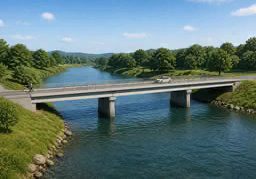
この橋は川をまたぎます。ko no hashi wa kawa o ma ta gi ma su
This bridge crosses the river.
その猫は低い塀をまたいで、隣の庭へ入りました。so no neko wa hiku i hei o ma ta i de tonari no niwa e hai ri ma shi ta
The cat stepped over the low wall and entered the neighboring yard.
It centers on passing over a boundary or lying across two sides with something underneath.
敷居をまたぐshiki i o ma ta gu
step over the threshold
水たまりをまたぐmizu ta ma ri o ma ta gu
step over a puddle
渡るwataru: Crosses from one side of a place or barrier to the other.
越えるkoeru: Passes over a boundary, obstacle, or higher point.
またがるmatagaru: Extends across two sides or rests with the legs on both sides.
ある物の上を越えて向こう側へ行く。また、二つの側にまたがる。a ru mono no ue o ko e te mu kō gawa e i ku ma ta futa tsu no gawa ni ma ta ga ru
The native verb またぐ (matagu), usually written 跨ぐ (matagu), is traditionally connected with 股 (mata, "crotch"), recalling the legs spread over an object when crossing it.