

Japanese Conversation · Level 18
90 words
Search Japanese words as written, in romaji or by English meaning.
Dictionaries
Quick links
Browse
 MotiSpiOfficial conversation app

Japanese word
Romajifuzakeru
みんなでふざけて笑います。mi n na de fu za ke te wara i ma su
We all act silly and laugh.
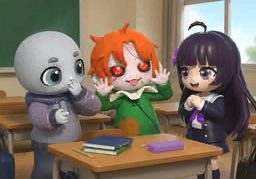
彼は緊張すると、いつもふざけます。kare wa kin chō su ru to i tsu mo fu za ke ma su
When he gets nervous, he always acts silly.
Centers on setting aside seriousness and acting playfully or foolishly for amusement.
ふざけるなfu za ke ru na
don't be silly
ふざけないでfu za ke na i de
don't fool around
おどけるodokeru: To act in a funny way to make people laugh.
じゃれるjareru: To play around in a lighthearted way with someone or something.
からかうkarakau: To make fun of someone through playful or mocking remarks.
おどけた態度を取ったり、冗談を言ったりして、まじめさを欠いた行動をする。o do ke ta tai do o to tta ri jō dan o i tta ri shi te ma ji me sa o ka i ta kō dō o su ru
The verb ふざける (fuzakeru) comes from the older Japanese verb ふざく (fuzaku), which already expressed playful or unserious behavior, although the word's earlier source is uncertain.