

Japanese Conversation · Level 115
60 words
Search Japanese words as written, in romaji or by English meaning.
Dictionaries
Quick links
Browse
 MotiSpiOfficial conversation app

Japanese word
Romajihakanai
花火ははかないです。hana bi wa ha ka na i de su
Fireworks are fleeting.
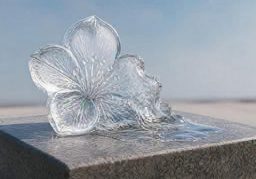
楽しい時間ほどはかないものです。tano shi i ji kan ho do ha ka na i mo no de su
The more enjoyable the time, the more fleeting it is.
Presents a thing, feeling, or event as unable to remain or achieve a lasting result, so its existence or effect soon passes away.
はかない夢ha ka na i yume
a fleeting dream
はかない命ha ka na i inochi
a fleeting life
はかない美しさha ka na i utsuku shi sa
fleeting beauty
あっけないakkenai: Ending sooner or more simply than expected, with little time for development.
短いmijikai: Lasting for a small amount of time, without implying anything about its value or emotional meaning.
存在や効果が長く続かず、望みや努力などが実を結ばないまま終わるさま。son zai ya kō ka ga naga ku tsuzu ka zu nozo mi ya do ryoku na do ga jitsu o musu ba na i ma ma o wa ru sa ma
The native adjective はかない (hakanai) comes from an older form はかなし (hakanashi); a possible link to はか (haka, "measure or outcome") plus なし (nashi, "without") remains uncertain.