

Japanese Conversation · Level 38
90 words
Search Japanese words as written, in romaji or by English meaning.
Dictionaries
Quick links
Browse
 MotiSpiOfficial conversation app

Japanese word
Romajinamari
彼のなまりは強いです。kare no na ma ri wa tsuyo i de su
His accent is strong.
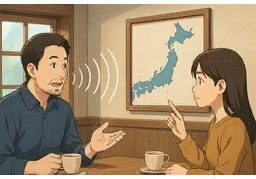
祖母のなまりを聞くと、故郷を思い出します。so bo no na ma ri o ki ku to ko kyō o omo i da shi ma su
When I hear my grandmother's accent, I remember my hometown.
Refers to the distinctive sound of speech created by pronunciation patterns associated with a region or speaker.
強いなまりtsuyo i na ma ri
strong accent
地方のなまりchi hō no na ma ri
regional accent
なまりを隠すna ma ri o kaku su
hide an accent
訛音kaon: A form of pronunciation that reflects the speech patterns of a particular area or group.
アクセントakusento: A pattern of stress or pitch that distinguishes speech sounds or marks a region.
イントネーションintonēshon: The changing pitch used across connected speech.
地域や話し手の特徴によって、標準とは異なって聞こえる発音や話し方。chi iki ya hana shi te no toku chō ni yo tte hyō jun to wa koto na tte ki ko e ru hatsu on ya hana shi kata
なまり (namari, "accent") is a noun formed from なまる (namaru, "to speak with altered pronunciation"), a native Japanese verb.